|
|

Flash Report Thursday 11 December 2025 |
|

VBSS - Off the coast of Venezuela |
Dear Client, |
Incident Details |
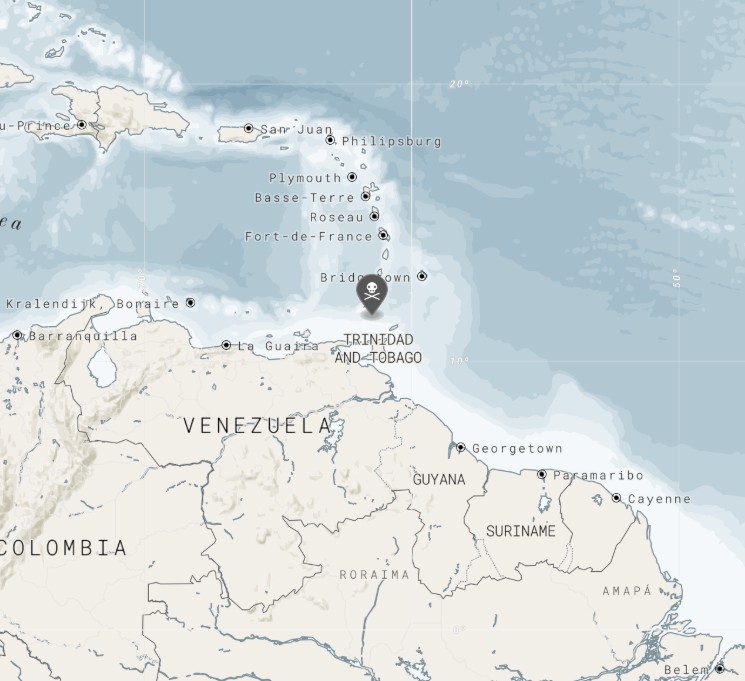
Incident Date & Time: 10 December 2025, 06:00 UTC Location: Off the coast of Venezuela Latitude/Longitude: 11° 35' 24.00" N, 61° 28' 54.00" W |
Vessel Name, Type, Flag and Status: Skipper, Tanker, Guyana, Steaming Incident Type: VBSS (visit, board, search, seizure) Crew status No injuries reported |
Incident Details |
Description U.S. forces seized a Guyana-flagged Tanker off the coast of Venezuela. The U.S. Attorney General stated that the Tanker, which has been sanctioned over multiple years, was being used to transport sanctioned oil from Venezuela and Iran, thereby supporting foreign terrorist organizations. The Tanker was reportedly loaded with approximately 1.1 million barrels of oil.
Guyana's maritime authority issued a statement confirming the Tanker was falsely flying Guyana's flag and indicated they will take action. The Venezuelan government accused the U.S. of "blatant theft," describing the seizure as an "act of international piracy." The Embassy of the Islamic Republic of Iran in Caracas also issued a statement regarding the incident, describing it as an "unlawful seizure" that "constituted a clear breach of international rules."
Key findings This incident represents a significant escalation in maritime enforcement of international sanctions, demonstrating the U.S. willingness to conduct direct vessel seizures in contested waters near Venezuela. The operation's success suggests sophisticated intelligence gathering and coordination, as U.S. forces were able to intercept a vessel carrying 1.1 million barrels of sanctioned oil - indicating prior knowledge of the cargo and route. The use of false flag registration (Guyana flag) highlights a common sanctions evasion tactic, while the immediate diplomatic responses from Venezuela and Iran suggest this vessel was part of a broader sanctions circumvention network.
The timing and scale of this seizure - involving over $100 million worth of crude oil - indicates this was likely a planned enforcement action rather than an opportunistic interdiction. The coordinated diplomatic responses and the specific mention of "supporting foreign terrorist organizations" suggests this vessel may have been tracked as part of a larger sanctions enforcement investigation targeting the Venezuela-Iran oil trade network.
Recommendations - Ensure all flag state documentation is legitimate and current to avoid complications during maritime enforcement operations. |
|
Explore More From Castor Vali |
|

Ship Security Assessments/Plans (SSA/P) A component of the International Ship and Port Facility Security Code. |
|
Ship Security Alert System (SSAS) Monitoring |
|
Supporting clients across Nigerian waters, the EEZ, and the wider Gulf of Guinea. |
|
Vessel and Rig Hardening Vulnerability Assessment |
Disclaimer |
|


UK Global Head Office: Castor Vali Ltd
East Africa Regional Headquarters: Castor Vali Africa (Kenya)
United Kingdom | Nigeria | Ghana | Somalia | Kenya | Tanzania | Zanzibar | Operations Centre (24 Hrs): +254 (0) 20 440 9614 | +254 (0) 711 105 879 |